
An IlocosNews Editorial
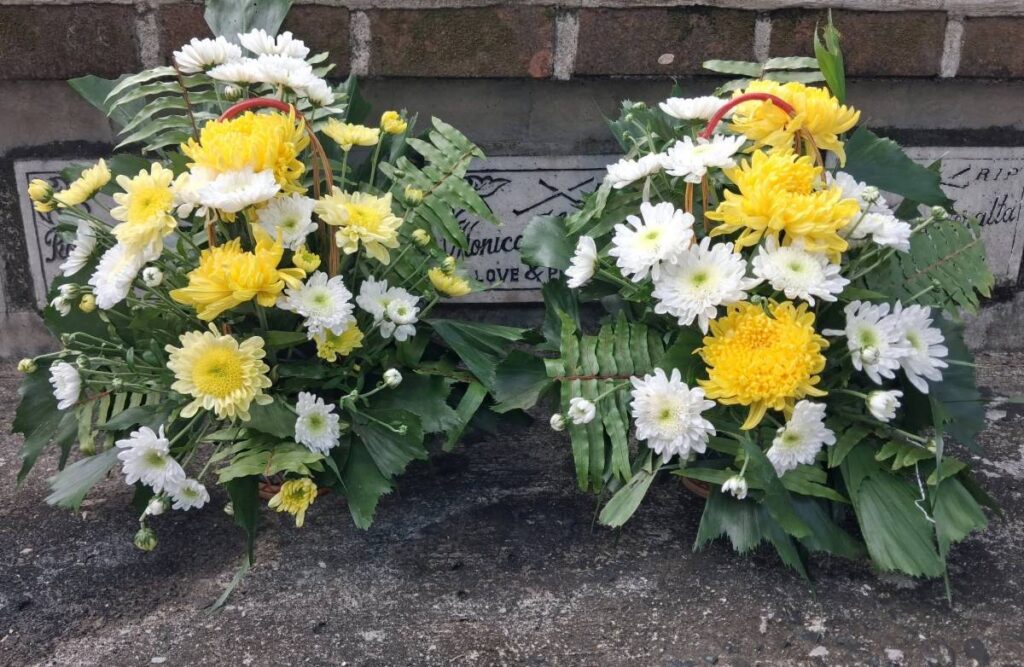
Every Undas, Filipino families make their way to cemeteries to remember the people they have lost. They bring flowers, light candles, offer prayers, and spend time beside the graves of loved ones whose memories remain part of their lives.
For some, it is a solemn reunion with memories of parents, grandparents, siblings, spouses, and friends. For others, it is a painful reminder of unfinished conversations and apologies never made.
But Undas carries another message beyond remembering those who have passed: we should learn to appreciate the people who are still with us. Are we giving the living the same love, attention, and time we so deeply wish we could give those who are gone?
A tradition worth keeping
In Filipino culture, remembering the dead expresses love, respect, and gratitude. Across Ilocos, from the towns of Ilocos Norte and Ilocos Sur to the communities of La Union, families return home for Undas. Relatives working in Manila or abroad travel back to their hometowns. Cemeteries fill with people who spread out meals, trade stories, and linger long after the candles have burned low.
For many families, it may be the one time all year that everyone is in the same place. These traditions deserve to be preserved.
Yet remembrance should also encourage us to look beyond the cemetery gates. While we carefully choose flowers for departed loved ones, have we checked on an aging parent who longs for a visit? While we light candles for someone we miss, have we thanked the people who support us today?
Not every family relationship is simple. Distance, financial difficulties, work, misunderstandings, and personal struggles can complicate things, and some wounds take time to heal. Reconciliation is not always possible or appropriate. Still, where circumstances allow, small acts of kindness matter. A phone call, a sincere apology, a shared meal, or a simple thank-you can become a memory someone carries for years.
The things we keep postponing
We postpone visits because work is demanding. We delay conversations because we assume there will always be another chance. We leave misunderstandings unresolved because pride makes the first step difficult. Then, sometimes, the chance is gone.
Losing someone teaches us how much ordinary moments matter: a familiar voice, a shared joke, a home-cooked meal, an unremarkable afternoon together. In time, these become more precious than any gift we could have given.
This is not a call to abandon our responsibilities or to pretend every relationship can be easily repaired. It reminds us to be more intentional about the time we give to the people who matter. We cannot bring back yesterday, but we can decide what to do with today.
A legacy that outlives the grave
Undas also invites us to reflect on the values we inherit. If those we have lost taught us generosity, patience, hard work, faith, or compassion, honoring them means carrying those values into daily life, not merely reciting their names once a year. We honor our parents by remembering their sacrifices, our grandparents by passing their wisdom to younger generations, and everyone we have lost by letting their kindness live on in how we treat others.
And for those who cannot visit a cemetery this year because of distance, work, illness, or finances, remembrance is not measured by physical presence. A prayer, a quiet moment, a cherished photograph, or a story told to a child can keep a loved one’s memory alive. What matters is sincerity.
Make time while you can
As we observe Undas, let us give our departed the prayers and respect they deserve. But let us also go home with a renewed appreciation for those still beside us. Visit when you can. Call when you cannot. Listen more patiently. Say thank you without waiting for a special occasion. Apologize when it is right. And where relationships are difficult, remember that kindness can coexist with healthy boundaries.
The cemetery reminds us that life ends. The people waiting for us outside it remind us that life is still happening.
Give them your time while you still can, because one day, the people we take for granted today may become the people we wish we had spent more time with.